Will Bird Proofing Damage Your Property? What It Depends On
By Rodect Pest Control
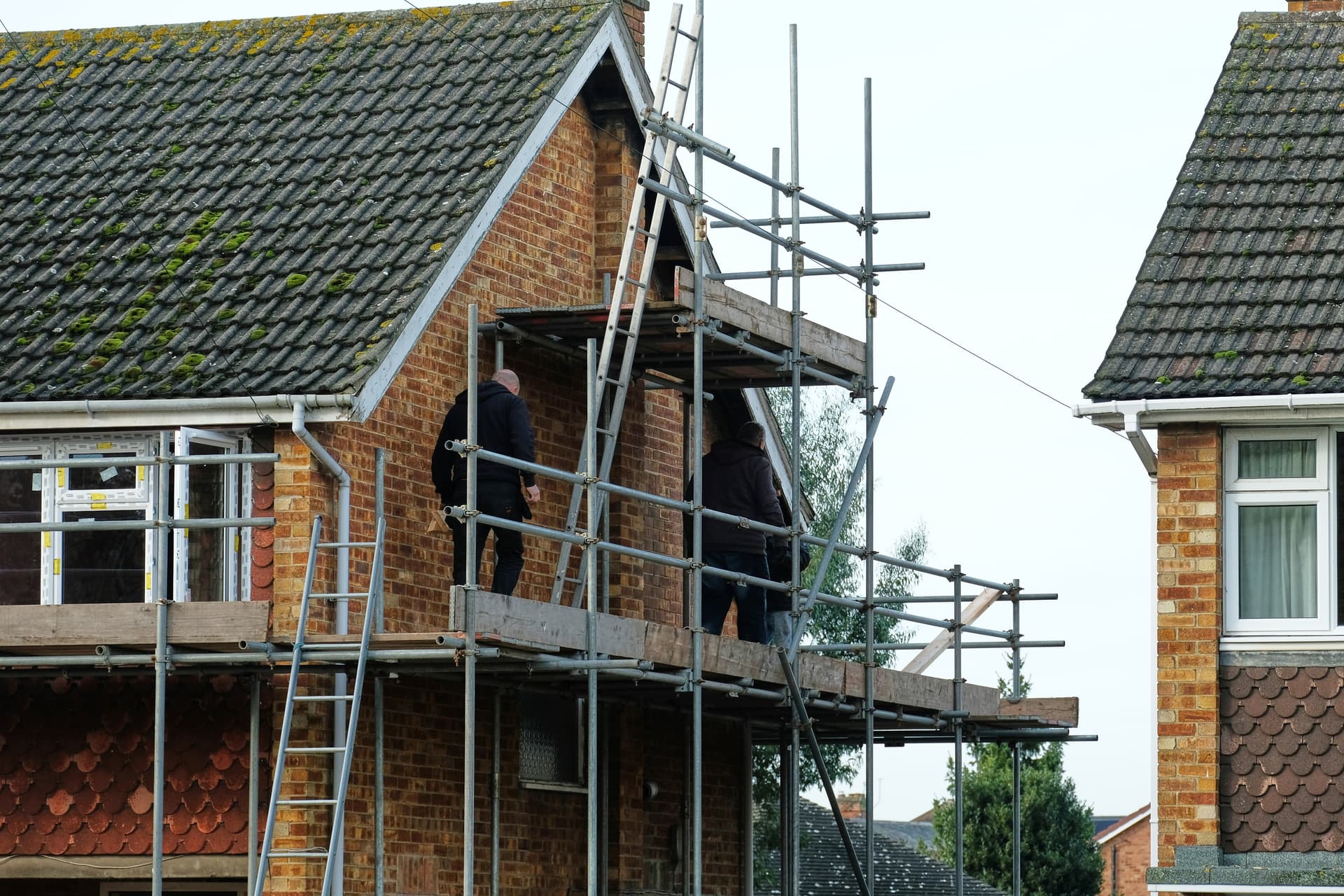
Bird proofing is fitted to a building, so the important question is not simply whether a system can keep birds away. It is how that system will meet your particular roofline, ledge, opening or other affected area. A suitable approach should address bird activity without creating avoidable problems for the surface or the way you use the property.
The details that matter are easy to miss from ground level. Surface condition, access, existing fittings and the shape of the area can all affect how proofing is installed. Understanding those differences helps you ask better questions and judge whether a proposed solution makes sense for your building.
Start with the surface, not the product
A fixing that is appropriate for one surface may not suit another. Brickwork, mortar, timber, metal and roof coverings each have different characteristics. The condition of the material matters too. A sound, even surface presents different considerations from loose mortar, cracked material or a section that has already been repaired.
This is why the same type of deterrent should not automatically be specified in the same way at every property. The installer needs to consider what the fitting will attach to and whether that surface is suitable. If the surface is fragile or uneven, the solution may need to change rather than forcing a standard fitting onto it.
For a Hertford home with older masonry, for example, the question is not just where birds perch. It is also whether the places where fittings will be attached are in good condition and whether they can be reached without disturbing vulnerable parts of the building. The building itself should guide the decision.
Existing features can change the answer
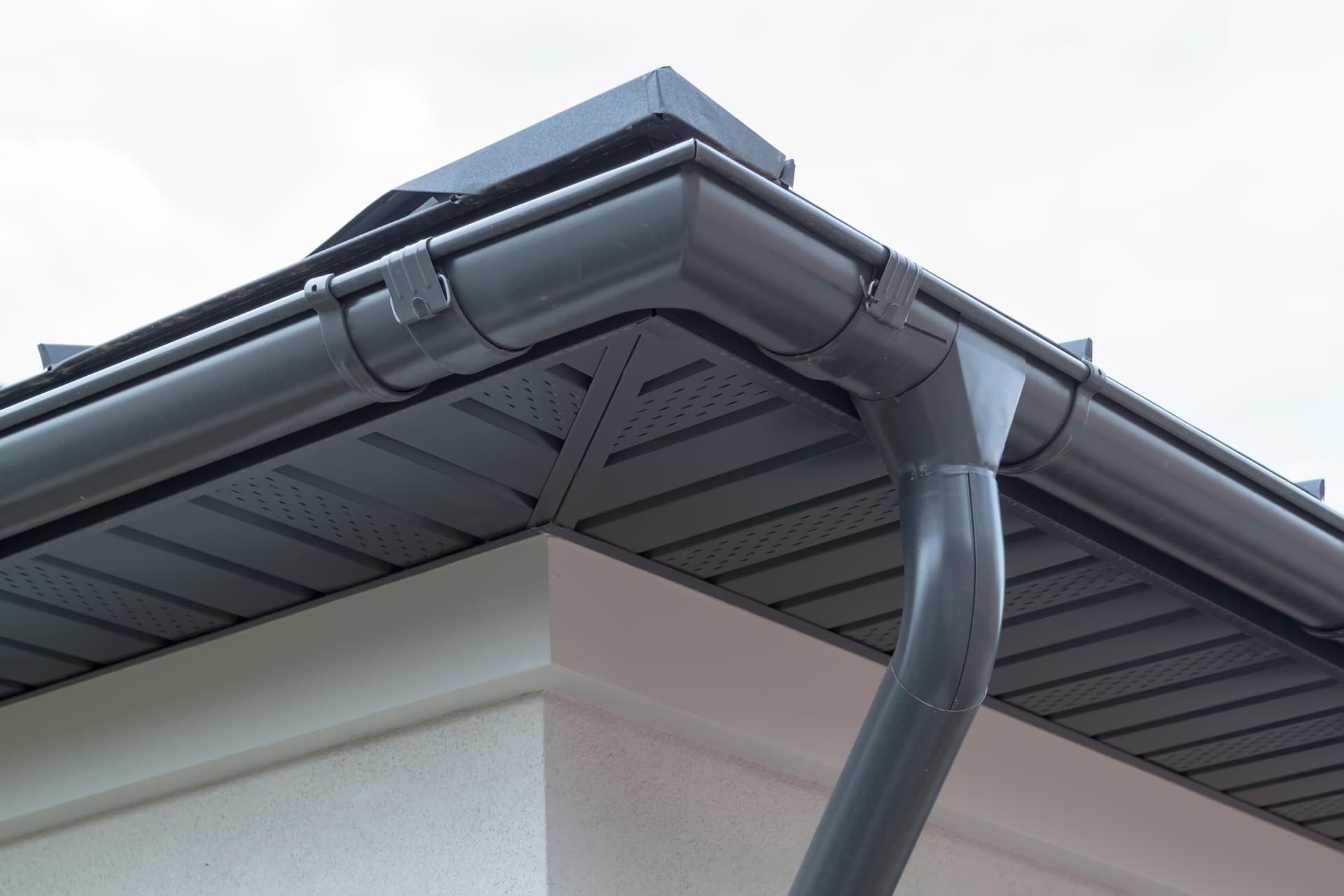
Roof edges, gutters, vents, signs and solar panels can make an area more complicated than it first appears. A proofing system must fit the shape and use of the space. If it blocks an opening, interferes with access or sits against a component that needs maintenance, it may create a separate problem even if it discourages birds.
Look at how the area functions as well as where birds gather. Does someone need to reach a gutter or service a fitting? Is an opening needed for ventilation? Does the proofing cross a joint or sit beside a surface that moves or flexes? These are useful points to raise during an assessment. They help distinguish a solution that fits the building from one that only covers the visible landing spot.
Installation details affect the risk
Potential damage is often about the meeting point between the fitting and the building. Poorly chosen attachment points, an unsuitable fitting method or a system that does not sit securely can affect the surface or mean further work is needed. Equally, a method chosen without considering the building can leave gaps or fail to address the actual access point, meaning the work may need revisiting.
Ask what surface the system will attach to, how that surface has been assessed and whether the installation could affect anything nearby. You should be able to understand the proposed approach before work starts. If you are unsure whether a feature will remain accessible or usable, raise that before agreeing the layout.
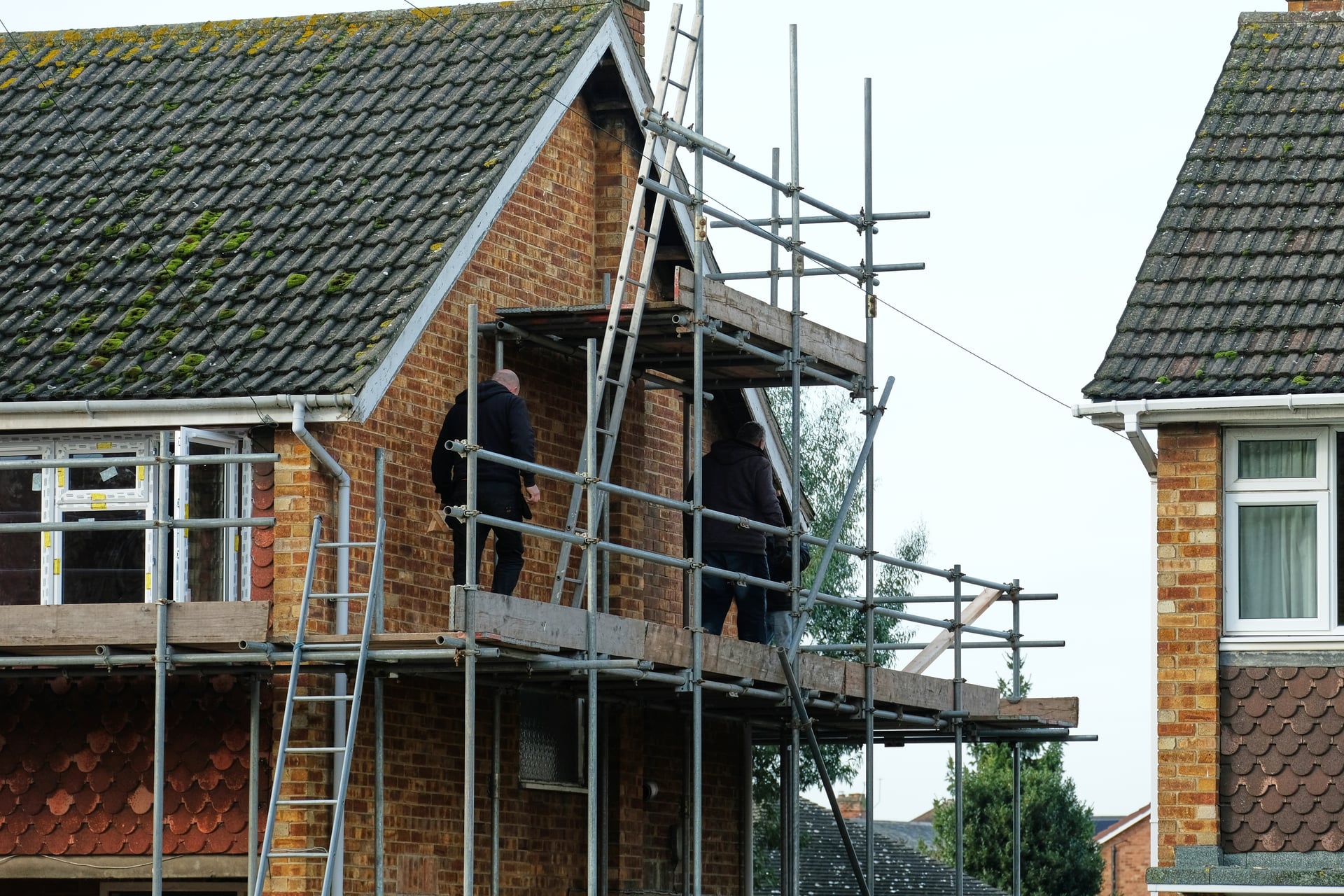
A look from the ground cannot show whether every attachment point is in good condition. Avoid climbing onto a roof or using improvised access to inspect it yourself. Close-up assessment may require appropriate access and someone equipped to work safely.
Consider the building as a whole
Bird activity can focus on one ledge, but the building may have connected areas that influence the choice of proofing. A narrow section beside a roof edge presents different practical questions from a broad recess or an area with several openings. The layout can also affect whether a deterrent is discreet, whether it can be fitted without obstructing the building and how much of the area needs attention.
That does not mean every nearby surface needs treating. It means the affected spot should be considered in context. Ask why the proposed coverage ends where it does, and how the design addresses the specific place birds are using. A clear explanation is more helpful than choosing a system by name alone.
What to ask before agreeing to work
When discussing bird proofing, share any known repairs, leaks, loose materials or access restrictions around the affected area. Ask which surfaces the installation relies on, what nearby features need to remain accessible and how the proposed layout fits the building. If a part of the property is delicate or has a particular finish, make that clear so it can be considered in the assessment.
The right choice is property specific. Our Bird proofing page gives an overview of the service, while an assessment helps establish what is suitable for your building. Here at Rodect Pest Control, we can discuss the affected area and the factors that matter before you decide how to proceed.