What affects the cost of rodent pest control? Key factors for Sawbridgeworth homeowners
By Ian Hill
Rodent problems in Sawbridgeworth—from loft mice in period cottages to rats in garden sheds—vary hugely. That variation is why two jobs that look similar at first can have very different costs. Below I explain the practical factors that push a job up or down and give clear steps you can take before we visit.
1. Type of rodent and extent of infestation
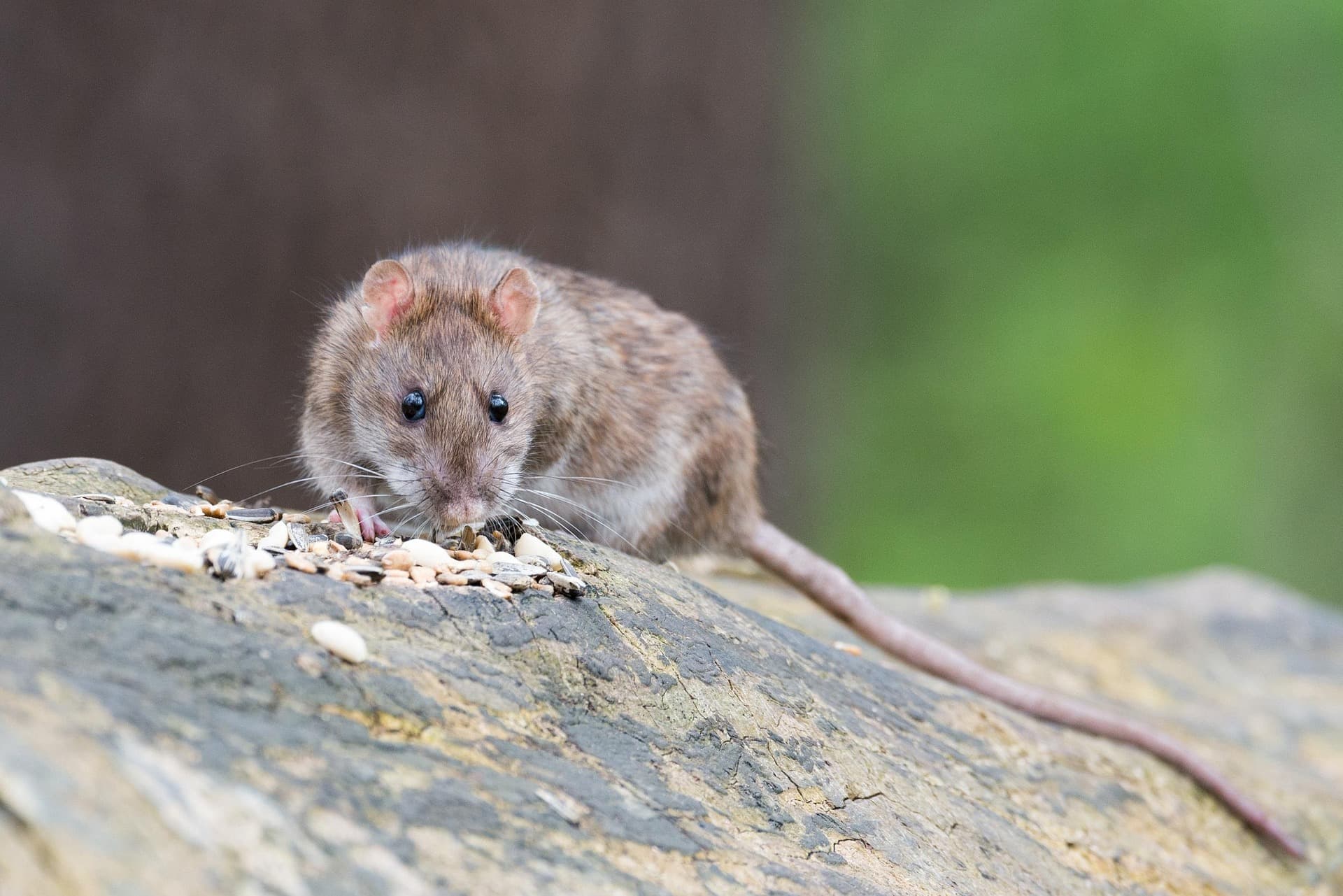
Rats, mice and squirrels behave differently. Norway rats dig burrows and favour ground-floor access. House mice live and breed in wall cavities and lofts. A single mouse sighting can mean dozens in warm months; a rat sighting often means an established harbourage nearby.
Why it affects cost: control methods differ (trapping, baiting, proofing) and heavy infestations need more visits and follow-up monitoring.
2. Property type and construction
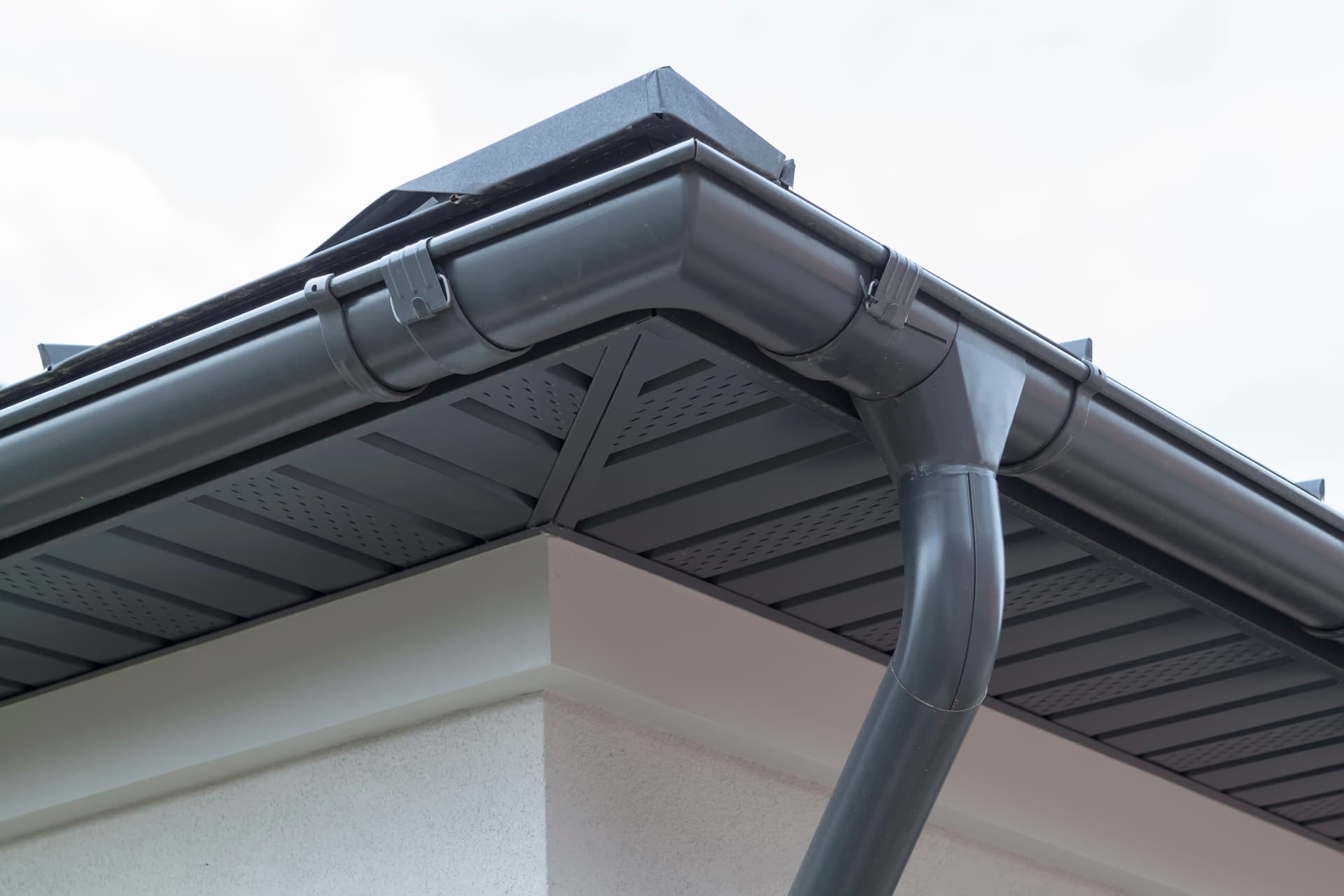
Sawbridgeworth has everything from Victorian terraces and timber-framed cottages to modern builds and agricultural outbuildings. Older property features—stone walls, suspended timber floors, ivy-covered gutters and loose pointing—make rodent access and proofing more complex.
Why it affects cost: more time spent finding entry points, specialist materials for proofing (metal mesh, mortar repairs) and extra labour in awkward spaces.
3. Access and location of the problem
Is the activity in a loft, underfloor void, wall cavity, commercial kitchen or in external boundary hedging? Loft and cavity work often requires insulation lifting or scaffold/ladder work. External burrows may require groundwork.
Why it affects cost: harder-to-reach areas take longer and sometimes need specialist equipment or scaffolding.
4. Proofing and prevention work
Simply removing rodents without sealing entry points is a short-term fix. Proofing—sealing holes, repairing soffits, installing metal flashing or wire mesh and proofing drains—prevents recurrence.
Why it affects cost: proofing materials and skilled workmanship add cost, but reduce long-term expense and disruption.
5. Timing and urgency
Rodent activity spikes in autumn and winter when animals seek warmth. Emergency treatments (daytime call-outs, weekend work) or jobs that require immediate access to food stores or commercial kitchens will affect scheduling.
Why it affects cost: urgent or out-of-hours work can require rapid mobilisation and additional resources.
6. Legal, safety and disposal requirements
Professional control includes safe handling and legal disposal of rodent carcasses, documentation for commercial clients and adherence to Health & Safety regulations.
Why it affects cost: Proper PPE, responsible waste disposal and the time required to follow professional safety procedures are all factored into the service.
Practical steps for homeowners before a visit
Check for signs: droppings, grease marks, gnawing, chewed cables, runs in the garden, burrows at foundations. Photograph anything you find.
Secure food and pet bowls in sealed containers; remove bird feed overnight if you can (it attracts rodents).
Clear loft and cellar clutter to give technicians access and reduce harbourage.
Temporarily block obvious gaps with wire wool or metal mesh (do not use foam on its own—rodents chew through it).
Keep children and pets away from suspected baiting zones and traps.
What to ask your pest controller
Are you appropriately qualified and a member of a recognised trade organisation? Rodect holds RSPH Level 2 qualifications and is a member of the NPTA.
Which methods will you use and why?
How many visits are likely and what monitoring is included?
Do you provide a written report, guarantees or follow-up proofing?
Will you handle carcass removal and disposal?
Final thoughts
Cost is driven by scope, access, property type and the level of proofing needed. A cheap, single-visit fix rarely solves a well-established infestation—spending on a proper survey and professional proofing saves time, hassle and repeat visits.
If you’re in Sawbridgeworth or the surrounding towns, including Harlow, Bishop’s Stortford and Stansted, contact us for honest advice tailored to your property. To discuss the problem or arrange an inspection, call 07854 553353 or 01279 271 120, or email Ian@rodect.co.uk.
Rodect is a local, family-run team led by Ian and Emma, with RSPH Level 2 qualifications and NPTA membership. We focus on practical treatments and long-term proofing to help keep your property protected from rodents.
More From Our Blog

Need Expert Advice?
Get in touch with our team for a quote.