Arrange an inspection with a local RSPH Level 2-qualified team and receive clear recommendations for protecting affected timber and furniture.
Our Services
Woodworm treatment
Protect timber, joists and prized furniture with focused woodworm diagnosis and treatment from a local, qualified team serving Sawbridgeworth and the surrounding areas.
About This Service
Reliable Woodworm Treatment
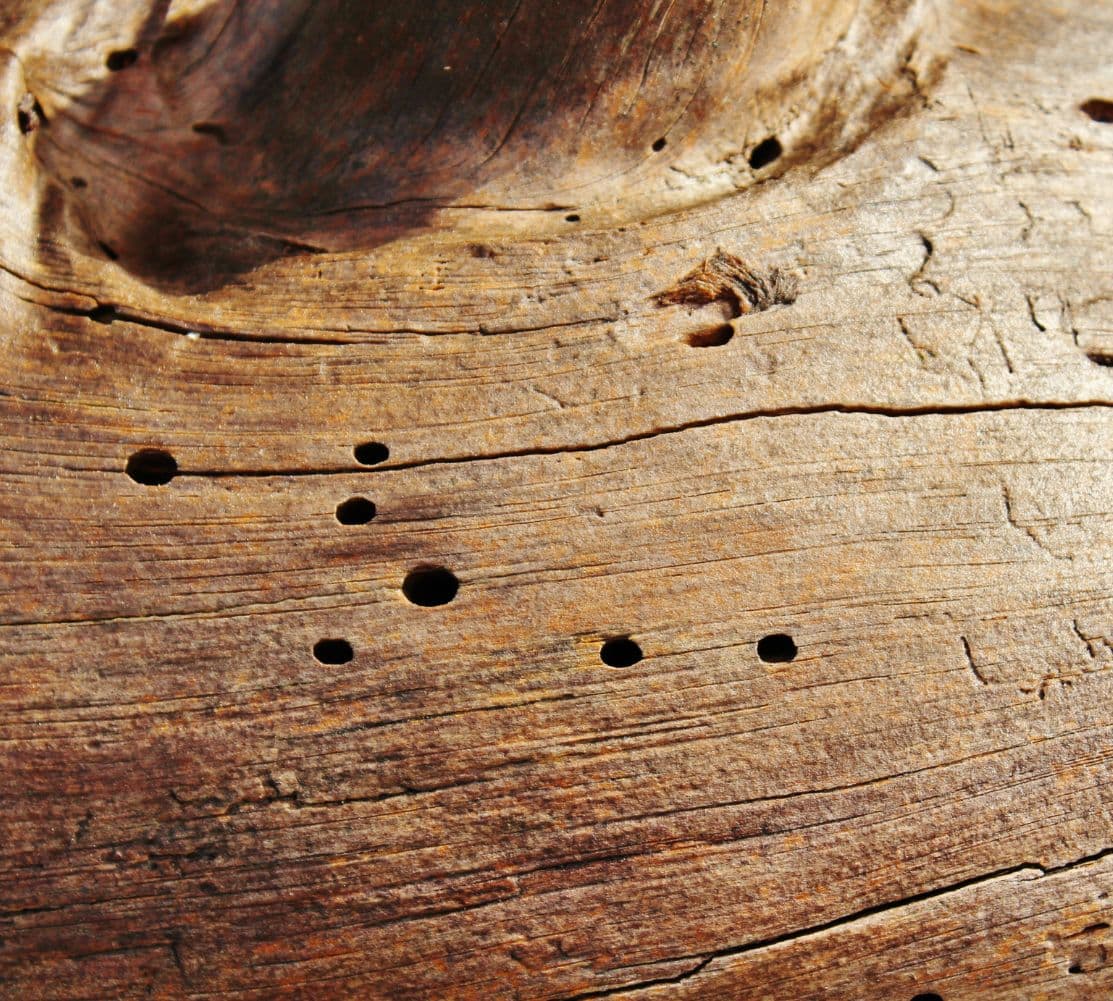
Woodworm may be small, but the damage they leave behind can be a serious problem. These wood-boring insects feed on timber, slowly weakening wooden structures, furniture, and other items over time. If left untreated, woodworm can cause costly damage and may affect the strength and safety of the wood in your property. Spotting the signs early, such as small holes or damaged timber, can help prevent bigger issues.
Our Process
How It Works
01
Survey & identification
02
Targeted treatment
03
Proofing & follow-up
Benefits
Why Choose us for Woodworm treatment?
Qualified, practical technicians
RSPH Level 2 qualified staff with countryside experience who correctly identify species and apply the right timber-preservation techniques for lasting results.
Ethical, minimally invasive approach
Treatments focus on targeted control and preservation of original timber and furniture, avoiding blanket treatments and unnecessary dismantling of historic fabric.
Local Family Team You Can Trust
Operated by father-and-daughter team Ian and Emma, Rodect provides straightforward advice, careful inspections and practical treatment recommendations tailored to the affected timber.
What we inspect
We look for active exit holes, frass (powdery dust), weakened joists and adult beetle activity in both structural timbers and furnishings. Common culprits are the common furniture beetle and the deathwatch beetle; identifying the species dictates treatment and lifespan of the larvae. After inspection you receive a clear written report with recommended actions and timescales.
How to contact us
To arrange a survey in Sawbridgeworth, Harlow or the surrounding towns, call 07854 553353 or 01279 271 120, or email Ian@rodect.co.uk.





FAQ
Frequently Asked Questions
Look for fresh, light-coloured frass, recently opened exit holes and tiny pinholes on the timber surface. A professional survey includes probing and moisture checks — active infestations often show evidence of recent emergence and require prompt treatment.
Treatments are selected to minimise impact on finishes and original fabric. We use targeted applications and, where possible, surface treatments or injections rather than destructive methods. For high-value antiques we discuss options and, if needed, liaise with a conservator.
Yes. Our inspection covers roof timbers, joists, floorboards and built-in joinery. Treatments are adapted to the location and severity — surface preservative, localised injections or fumigation referrals if the building requires it.
Eradication times vary by species and life-stage; some larvae live for months or years. We focus on eliminating active adults and larvae and then proofing timbers to prevent reinfestation, plus follow-up checks to confirm success.
We provide a written action plan and follow-up schedules; guarantees depend on the treatment used and the property. We have experience working sensitively on period properties and will recommend conservation-friendly methods and, where necessary, liaise with building officers or conservators.
Related Services
Other Services We Offer
73+ Five-Star Reviews


“Great company, arrived same day and laid traps/bait. No mice droppings/activity since then. Collected traps/bait the following week. Would highly recommend and will use again if needed”
Testimonials
What our clients say about our work
“Ian and his daughter came to my property at short notice, dealt with the wasps nest and I’ve not seen one since. They were friendly, really helpful and treat your home with care. I would 100% recommend and will use them again if needed.”
Rob Jenner Google
“⭐⭐⭐⭐⭐ Excellent service from start to finish. He arrived exactly on time, was friendly, professional, and got straight to work. I had a huge wasp nest, and he had it dealt with in around 20 minutes. He even took the nest away with him afterwards, leaving everything clean and tidy. He was also the cheapest quote I could find, but the quality of the service was outstanding. I would definitely recommend him to anyone needing pest control. Great work – thank you!”
Samantha
Google
“Ian and Emma came out to my house in Chadwell heath due to having squirrels in my loft. They were both very knowledgeable, friendly and helpful ! The problem was resolved quickly and not had an issue since! Would definitely recommend!”
harry dardis
Google
“I contacted Ian and Emma at Rodect Pest Control through Checkatrader and received a response within 10 minutes. They arrived within 30 minutes of being contacted, which was incredibly impressive. The service was fantastic from start to finish. The rat problem was dealt with quickly and effectively, and within just a few days they were completely gone. As promised, they returned within 14 days to remove the bait boxes and ensure everything was sorted. Ian and Emma provide a brilliant, professional service and are a genuinely friendly family-run business. Reliable, knowledgeable, and highly efficient – I wouldn’t hesitate to recommend them to anyone needing pest control services.”
perry hughes
Google